Fish supper: After years of absence, wildlife is returning to the Thames
I've been up and down the river both ways - from Hampton Court Palace to Waterloo, from Waterloo to Kew Gardens, from Greenwich to Waterloo and Waterloo to Greenwich. And it's always been a pleasure.
My first trip was to Kew Gardens, it was a press trip so perhaps the free champagne somewhat coloured my rosy view of the day. Or maybe it was the two very funny watermen who told me all about their profession. The Company of Watermen and Lightermen was established by an Act of Parliament in 1555 to regulate the watermen and wherrymen responsible for carrying goods and passengers on the river - Watermen look after passengers. In days gone by only licensed watermen and lightermen could work on the river. There was a five-year apprenticeship to qualify, learning the trade from a Master. In addition to this, hopefuls took courses covering water survival, firefighting and first aid. Then followed another three years of work experience. All this has changed recently though, with the apprenticeship cut to two years.

Cruise control: The river is great place to see some of London's famous landmarks
Boats must attract a certain sort of person because the skipper of one on the Waterloo-Greenwich route, run by City Cruises, is just as entertaining. He delighted in telling us that the Thames is the cleanest ex-working river in the world: "You can drink it. It'll kill you, but you can drink it!" Last time I took that journey City Cruises were in the process of replacing the live commentary with a recording, which is a shame because the live one added real character. The recording wasn't working that day though, so they'd had to go back to good old talking.
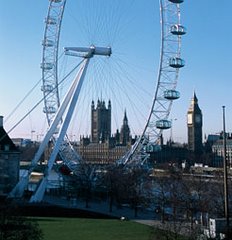
A trip on the river gives a whole new perspective on London. It really is a slower way to see the city. You come across all kinds of wildlife. I've seen kingfishers, herons and many varieties of ducks. Apparently there are also seals and salmon. And once a whale, but that story has a sad ending. Many of London's most well-known sights are visible from the river - St Paul's Cathedral, Tate Modern, the London Eye, the Houses of Parliament. Some boats go all the way to the Thames Barrier, which is definitely worth seeing.
In the middle of the 19th century, the river, which at the time was known as the Big Stink, was so polluted that all the fish died, and so did the birds that relied on them for food. A clean up operation that has taken more than 150 years has returned all kinds of fish and animal life to the river, and today it is home to more than 120 varieties of fish.
Links
The Company of Watermen and Lighermen
City Cruises